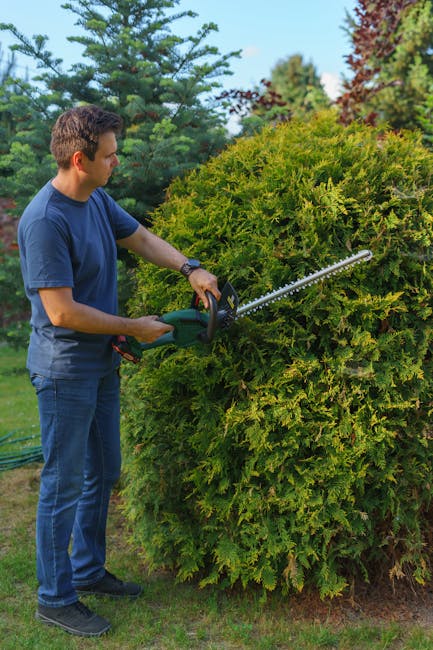
Avoid hidden garden maintenance costs Finchley gardeners tips
Garden upkeep should feel straightforward: clear pricing, tidy work, and no nasty surprises when the invoice lands. Yet hidden garden maintenance costs can creep in quickly, especially if a small job turns into a bigger one after the team arrives. If you are trying to avoid hidden garden maintenance costs Finchley gardeners tips is exactly the kind of practical guidance that helps you stay in control. Finchley gardens are often a mix of mature planting, compact spaces, older boundary lines, and seasonal build-up, so costs can shift if the scope is vague.
This guide breaks down where extra charges come from, how to spot them early, and what to ask before any work begins. You will also find a simple checklist, a comparison table, and a few real-world scenarios that make the whole thing less mysterious. Because let's face it, nobody enjoys that awkward moment when a "quick tidy" suddenly needs extra labour, waste removal, or specialist tools.
Table of Contents
- Why avoiding hidden garden maintenance costs matters
- How hidden costs usually appear
- Key benefits of planning costs properly
- Who this is for and when it makes sense
- Step-by-step guidance to keep costs under control
- Expert tips for better results
- Common mistakes to avoid
- Tools, resources and recommendations
- Law, compliance, standards and best practice
- Options, methods, and cost comparison
- Case study or real-world example
- Practical checklist
- Conclusion
- Frequently asked questions
Why Avoid hidden garden maintenance costs Finchley gardeners tips Matters
Hidden costs matter because garden maintenance is often sold as a simple service, but the reality can be layered. A hedge looks straightforward until access is awkward. A lawn cut sounds basic until the grass is long, wet, or full of debris. A tidy border can hide roots, brambles, broken edging, or old waste that must be dealt with carefully. The more unclear the job, the more room there is for extra charges.
For Finchley homeowners, landlords, and property managers, this can become a recurring issue. Gardens in North London often need seasonal work, not just a one-off tidy. That means pricing needs to be robust and realistic from the beginning. If not, the cheapest quote can end up being the most expensive. Bit of a classic, really.
There is also a trust issue. Good garden work is not just about cutting and clearing. It is about transparency. A clear quote helps you compare providers properly and decide what level of service you actually need. That is why many people start by reviewing the service range on the services overview and then narrowing it down based on the garden's condition.
Expert summary: the best way to avoid hidden garden maintenance costs is to define the scope clearly, ask what is excluded, and confirm how waste, access, and unexpected issues will be handled before work starts.
How Avoid hidden garden maintenance costs Finchley gardeners tips Works
At its simplest, this approach is about turning vague garden maintenance into a clearly priced job. Instead of asking for "general help," you define exactly what needs doing, what condition the garden is in, and what might affect the final cost. That could include hedge trimming, lawn mowing, clearance, pruning, or repairs to broken sections of the garden.
Most hidden costs appear because the original quote assumes a certain amount of time, waste, or access. If the actual work is larger, heavier, or more awkward than expected, the provider may need to charge more. That is not always unfair. Sometimes it is simply the reality of the job. The key is knowing that before anyone starts.
A well-run garden maintenance plan usually covers:
- the exact tasks included
- the size and condition of the space
- waste collection and disposal
- access issues such as side entrances or narrow paths
- specialist equipment needed for higher, thicker, or heavier work
- timing, frequency, and seasonal changes
If you are unsure where your garden needs the most support, it can help to compare general upkeep with more specific services like garden maintenance, lawn mowing, or hedge trimming. Clearer service lines usually mean clearer costs.
Key Benefits and Practical Advantages
When you plan garden maintenance carefully, you get more than just cost control. You also get better results, fewer delays, and a much smoother experience from quote to completion. In our experience, customers feel far more relaxed once they know what is included and what is not. Not glamorous, perhaps, but very useful.
- Less risk of surprises: you can see where extras might arise before the job begins.
- Better budget planning: useful for homeowners, landlords, and managing agents.
- Cleaner comparisons: you can compare quotes on a like-for-like basis.
- Improved garden health: planned maintenance avoids rushed or reactive work.
- Fewer repeat callouts: a properly scoped visit often solves more in one go.
There is also a practical advantage that people often miss: a transparent quote makes it easier to decide whether to bundle work together. For example, if your hedge is overdue and the lawn is patchy, it may be more efficient to schedule both at once rather than paying for separate visits. Sometimes the smartest saving is not cutting corners; it is simply combining tasks sensibly.
And if your garden needs a bigger reset after months of neglect, a targeted garden clearance can be a better starting point than piecemeal work. That can reduce the chance of a half-finished job with extra call-out fees later.
Who This Is For and When It Makes Sense
This advice is useful for a wide range of people, but it is especially relevant if you are dealing with an established garden, a tired outdoor space, or a property where maintenance has been delayed. Finchley gardens can range from neat urban courtyards to long family gardens, and each one behaves differently when work begins.
You will get the most value from this approach if you are:
- a homeowner wanting seasonal upkeep without overspending
- a landlord preparing a garden for new tenants
- a property manager needing predictable service costs
- a busy household that wants a regular maintenance plan
- someone comparing several local gardening quotes
It also makes sense if you are considering larger outdoor improvements. For example, if you are already thinking about layout changes, edging, or hard landscaping, you may want to speak about landscaping or landscape gardening rather than treating everything as a basic tidy-up. That distinction matters, because the work and the pricing are usually quite different.
One small but important point: if your garden has overgrown trees or branches close to a structure, drive, or boundary, you should ask whether the work falls under tree lopping and removal. Tree work can carry different equipment needs, safety precautions, and disposal costs. Better to clarify than guess.
Step-by-Step Guidance
Here is a practical way to avoid hidden costs before they get the chance to appear. Nothing fancy, just a solid process.
- Walk the garden carefully. Look for overgrowth, rubbish, broken fencing, hidden borders, access points, and anything that might slow the job down.
- List the exact tasks. Separate mowing, trimming, pruning, clearance, and any repairs. Vague requests create vague prices.
- Note the condition honestly. If the lawn is long or the hedge is heavy, say so. A good quote depends on the truth, not optimism.
- Ask what the quote includes. Labour, materials, disposal, fuel, equipment, and follow-up visits should all be clarified.
- Ask what is excluded. This is where hidden costs often live. Waste removal, extra time, climbing work, and difficult access are common examples.
- Request a breakdown if needed. You do not need a spreadsheet, but a simple task-by-task split helps.
- Agree on how surprises are handled. If the team finds something unexpected, should they stop and ask, or continue within an agreed limit?
- Set a maintenance rhythm. Regular visits often cost less than rescue jobs after a long gap.
If a garden has become badly cluttered, it is worth checking whether a one-off tidy or a larger clearance is more sensible. A planned job is almost always easier to cost accurately than a dramatic "please fix everything" situation. That sentence has probably saved more headaches than it should.
For recurring upkeep, a regular package through garden maintenance can be more predictable than ad hoc bookings. Predictable is good. Predictable is calm. Predictable is cheaper, often enough.
Expert Tips for Better Results
These are the little things that make a big difference. The stuff people learn after a few awkward quotes, a couple of extra invoices, and one too many "we found more than expected" conversations.
- Photograph the garden before booking. A few clear pictures of the lawn, borders, hedge line, and access route help reduce misunderstandings.
- Describe the garden in seasons, not just size. A small garden with dense winter growth can take longer than a larger but tidy one.
- Ask about waste handling early. Green waste, bulky branches, and mixed debris may be priced differently.
- Check whether access is straightforward. Narrow side access or awkward parking can affect time on site.
- Separate ongoing work from one-off rescue work. A mow is not the same as a full reset, and pricing should reflect that.
- Use the same scope for every quote. That is the only fair way to compare offers.
A useful habit is to ask for a quote that states the garden's condition at the time of pricing. It sounds a bit formal, but it helps. If the hedge is currently shoulder-high and the lawn is more meadow than lawn, that should be visible in the quote assumptions.
Also, if you are planning outdoor improvements beyond maintenance, it can be worth reviewing decking services as a separate project rather than burying it inside general garden work. Mixing maintenance and construction is how budgets get fuzzy very quickly.
Common Mistakes to Avoid
Most hidden garden maintenance costs come from simple avoidable mistakes. The good news? They are easy to spot once you know what to look for.
- Booking on price alone. The cheapest quote can leave out disposal, equipment, or access complications.
- Using vague language. "General tidy" is too broad if the garden needs proper work.
- Ignoring waste volumes. A few branches can become several bags, then several bags become a trailer load. It happens.
- Not checking hedge and tree height. Tall growth often needs specialist handling.
- Assuming every visit is the same. Spring and autumn jobs are usually more involved than a quick summer refresh.
- Forgetting about access. A job that looks easy from the patio may be awkward once equipment is in play.
One common scenario is the "we only need the front garden done" request. Then the team arrives and discovers the rear border is thick with bramble, the side path is blocked, and there are old planters full of broken soil. No one is thrilled. The quote should have accounted for it, but only if the details were shared early.
Another mistake is not asking whether the provider is properly insured and operating safely. That is not just admin. It matters if ladders, cutting tools, or heavy waste are involved. You can review basic reassurance points via insurance and safety and health and safety policy information before you commit.
Tools, Resources and Recommendations
You do not need specialist software to manage garden costs sensibly. A notebook, a few photos, and a clear checklist can do a lot of the heavy lifting. Still, some resources are genuinely helpful.
- Before-and-after photos: useful for confirming the original condition and the final outcome.
- A simple scope list: one line per task keeps things tidy and removes guesswork.
- Seasonal reminders: recurring maintenance is easier to budget when it is planned in advance.
- A question list for quotes: ask about labour, waste, access, and what happens if the job changes.
- Service comparison notes: compare like for like, not apples with pears.
If you want a practical starting point for quotes, the page on pricing and quotes is a sensible place to check what information is usually needed. It helps you prepare the right details before asking for a price.
For broader service planning, the services overview can help you map which jobs belong together and which should be kept separate. That alone can stop a lot of muddled costing.
Law, Compliance, Standards, and Best Practice
For most homeowners, garden maintenance is not a heavily regulated purchase in the way some trades are, but there are still important best-practice expectations. Waste should be handled responsibly, work should be carried out safely, and any service agreement should be clear about what you are paying for.
In the UK, there are also practical expectations around duty of care, safe equipment use, and not creating avoidable hazards. For example, overhanging branches, slippery debris, unstable structures, and unmanaged waste can all create risks. You do not need to become an expert in regulations, but it is sensible to ask whether the work is being done with suitable care and insurance in place.
From a consumer point of view, the most useful standard is transparency. A quote should be understandable. If something is chargeable later, that should be made clear before the work begins wherever possible. That is just good practice, and it protects both sides.
If sustainability matters to you, ask how green waste and removed materials will be handled. Some customers prefer low-waste methods, recycling where feasible, and a tidy separation of reusable material from disposal. You can also review a provider's approach through recycling and sustainability information, which is a reassuring sign that waste is being considered thoughtfully.
Finally, if you ever need to understand the service relationship more broadly, it is wise to read terms and conditions carefully. A few minutes there can save a lot of back-and-forth later. Not thrilling, admittedly, but very worth it.
Options, Methods, or Comparison Table
Here is a simple comparison of common ways people handle garden maintenance costs. The best option depends on how often your garden needs attention and how much uncertainty there is in the work.
| Approach | Best for | Cost control | Typical drawback |
|---|---|---|---|
| One-off tidy | Small, already-manageable gardens | Good if scope is clear | Can miss recurring issues |
| Scheduled maintenance | Gardens that need regular upkeep | Strong predictability | Requires commitment to a routine |
| Full garden clearance first | Overgrown or neglected spaces | Good for resetting the job | Higher initial spend |
| Mixed maintenance and landscaping | Gardens being improved as well as maintained | Depends on planning | Can become unclear if split badly |
In plain English: if your garden is mostly under control, regular maintenance is usually the easiest way to keep costs stable. If it has become unruly, a clearance-first approach may be better. If you are redesigning the space, separate the maintenance from the build work so the budget remains readable.
If hedge work is the main issue, compare it on its own through hedge trimming. If the lawn is the main pain point, keep it separate with lawn mowing. That kind of separation sounds fussy, but it is actually one of the easiest ways to reduce hidden charges.
Case Study or Real-World Example
Here is a realistic Finchley-style example. A homeowner with a medium-sized rear garden booked what they thought was a simple tidy before family arrived for a weekend visit. The lawn was long after a wet spell, the hedge had grown wider than expected, and the back corner had collected bags, broken pots, and windblown debris. Nothing dramatic. Just a garden that had quietly got away from them.
At the first glance, the job looked like one visit. After a proper walkthrough, it became clear that the work needed splitting into three parts: lawn care, hedge trimming, and a small clearance. That changed the time required and the waste involved, but it also made the pricing honest and much easier to understand. No one likes a bigger number, of course, but everyone likes clarity more.
The useful lesson was simple: the customer had nearly underquoted the job because they only described the visible parts. Once the hidden bits were discussed, the final scope made sense. The garden ended up neat, the access path was kept clear, and the customer avoided a surprise invoice. A pretty ordinary story, really, but that is exactly how good maintenance should work.
In practice, this is why a visit focused on garden clearance is sometimes the right first step, especially where old plant growth or forgotten waste is hiding the real size of the job. When the baseline is clean, future costs become far easier to predict.
Practical Checklist
Use this checklist before agreeing any garden maintenance quote. It is deliberately simple.
- Have I described every area that needs work?
- Do I know whether the quote includes labour, waste removal, and equipment?
- Have I mentioned access issues, parking, or narrow side passages?
- Do I know whether the garden needs clearance before routine maintenance?
- Have I asked what counts as an extra charge?
- Is the scope written clearly enough to compare with other quotes?
- Do I need hedge work, lawn work, tree work, or all three?
- Have I checked whether the provider uses safe, insured working practices?
- Do I understand how future visits will be priced?
- Have I planned for regular upkeep so the garden does not slip back again?
One small extra tip: keep the quote and the agreed scope in one place. Saved email, screenshot, printed note, whatever works. Future-you will be grateful. Trust me on that one.
Get a free quote today and see how much you can save.
Conclusion
Hidden garden maintenance costs are rarely about tricks. More often, they come from unclear expectations, incomplete information, or a garden that has more going on than first meets the eye. The good news is that you can stay ahead of most of it with a proper scope, a few smart questions, and a little honest planning.
If you are looking to avoid hidden garden maintenance costs Finchley gardeners tips should always come back to the same principle: clarity first, work second. Once the garden's condition, access, waste, and required tasks are all understood, the whole process becomes calmer, fairer, and far easier to budget. And that is the kind of boring efficiency that actually feels good.
Keep it clear, keep it realistic, and don't be afraid to ask the awkward question before the ladder comes out. That's usually where the savings begin.
Frequently Asked Questions
What are the most common hidden garden maintenance costs?
The most common extras are waste removal, difficult access, overgrown hedges, longer-than-expected labour, and specialist equipment. These tend to appear when the garden's condition is worse than described at quote stage.
How do I avoid surprise charges from gardeners in Finchley?
Be specific about the work, send photos if possible, ask what is included, and confirm what counts as extra. A clear scope is the simplest way to avoid surprises.
Is a cheaper garden quote always a bad sign?
Not always, but a very low quote can mean something has been left out. Compare quotes carefully and check whether labour, waste, and access are included. If one price is much lower, there is usually a reason.
Should I get a one-off clearance before regular maintenance?
If the garden is heavily overgrown or cluttered, yes, that often makes sense. A garden clearance can reset the space so ongoing maintenance becomes easier and more predictable.
How often should garden maintenance be scheduled to keep costs lower?
That depends on the garden, but regular upkeep is usually cheaper than waiting for major catch-up jobs. Small, frequent visits are often easier to price and less likely to trigger extras.
Do hedge trimming and lawn mowing need separate quotes?
They often should, especially if the work levels are different. Separating hedge trimming from lawn mowing helps you see where each cost comes from.
What should be included in a garden maintenance quote?
A good quote usually states the tasks, the expected time or labour, waste handling, any exclusions, and any assumptions about the garden's condition or access. If something matters to the price, it should be made clear.
Does access to the garden really affect cost?
Yes, often more than people expect. Narrow paths, no rear access, restricted parking, or awkward carrying distances can all increase the time needed. It is a small detail that can become a big one.
What if the gardener finds more work than expected on the day?
That can happen. The best approach is to agree in advance how unexpected work will be handled. Ideally, the provider should pause and check with you before going beyond the original scope.
Can landscaping create hidden maintenance costs later?
Yes, if the design is hard to keep up or the maintenance burden is not thought through. Good landscaping should look good and remain manageable, not become a long-term headache.
Why does tree work sometimes cost more than expected?
Tree work can involve specialist tools, safety measures, and more waste than a standard trim. If branches are large, high, or close to buildings, it is sensible to treat the work separately and ask for a specific explanation.
Where can I learn more before booking garden work?
Start with the provider's main service pages, then check pricing, safety, and policy information. Pages such as pricing and quotes, insurance and safety, and services overview are a sensible place to build confidence before you book.