Recycling and Sustainability at Gardening Finchley
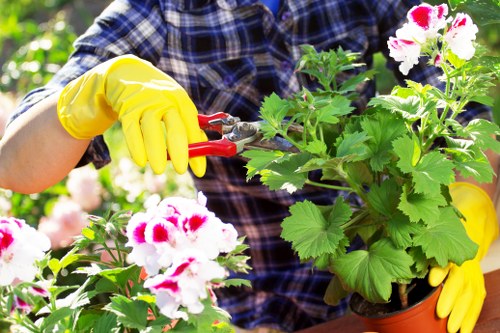 At Gardening Finchley we are committed to creating an eco-friendly waste disposal area and promoting a sustainable rubbish gardening area across Finchley and the surrounding boroughs. Our approach blends practical garden waste management with community-led reuse, aiming to reduce landfill, cut carbon emissions and return valuable organic material to local soils. We describe clear targets, local transfer stations we work with, charity partnerships, and how our fleet of low-carbon vans supports these goals.
We set a clear recycling percentage target for garden and household green waste. Our current ambition is to reach 65% recycling and diversion of all collected garden and household compostable material within three years, with incremental milestones of 50% in year one and 60% in year two. This target reflects both the boroughs' increasing emphasis on waste separation — including separate food waste, paper and card, glass, and mixed dry recycling streams — and our own operational improvements in collection and processing.
How borough-level separation helps
Finchley lies within a network of north London boroughs that increasingly prioritise source separation. Many locals already separate food waste, garden waste, paper & card, glass, and plastic packaging at property-level. By working with the existing system we can ensure that garden waste collected by our teams is not contaminated with non-compostables, improving the quality of output for composting and mulching operations. Our emphasis on the local separation routine makes the eco-friendly waste disposal area more efficient and less carbon intensive.We partner with a number of local transfer stations and processing facilities to keep materials moving in the circular economy. These include borough transfer points and North London facilities that process green waste, wood, and bulky garden materials. By routing collections to appropriate transfer stations we reduce double-handling and ensure that organic material is composted or turned into soil conditioner rather than being landfilled.
Local transfer stations and facilities
Our routing strategy uses a mix of municipal and commercial transfer stations, eco parks and regional composting hubs. Typical processing steps include separation of large woody debris, shredding for mulch, and aerobic composting for food and small garden waste. Working with transfer sites near Finchley reduces journey distances, which supports our low-carbon transport strategy and reduces emissions associated with the sustainable rubbish gardening area.To make recycling tangible we maintain a transparent flow of materials: garden prunings and green cuttings go to mulch and compost production; larger timber and unwanted sheds are routed for reuse or chipped; and soil and turf are stabilised and reused locally. This layered approach strengthens recycling and sustainability outcomes for residents and community green spaces.
Partnerships with charities and community groups form a core part of our plan. We collaborate with local reuse charities to accept usable garden equipment, raised beds, pots and surplus plants. These items are reclaimed, cleaned, and redistributed to community gardens, local schools and householders in need. By integrating charity partners into the sustainable garden waste services model we keep reusable items in circulation and reduce the need for new purchases.
 Our charitable partnerships also support social value outcomes. Tools and planters beyond salvage are safely dismantled, with materials like timber and metal recovered for refurbishment. This not only diverts waste from landfill but also creates training opportunities for local volunteers and provides low-cost resources to community projects, aligning environmental and social benefits in the same program.
Low-carbon vans and transport
A critical element in converting household and garden waste into usable resources is reducing the transport footprint. Gardening Finchley has invested in a fleet of low-carbon vans—primarily electric and plug-in hybrid light commercial vehicles—designed for urban waste collection and transit to nearby transfer stations. These vehicles are serviced to maintain efficiency, and we schedule collections to minimise empty runs and idling time. The result is a direct reduction in emissions associated with local recycling activity.Operational best practices
On the ground, our teams follow clear separation protocols and use labelled bins and liners to maintain high purity in each stream. We apply an audit and monitoring routine to track contamination levels and measure progress toward our 65% recycling goal. Regular reporting helps us refine routes, improve resident communications, and scale up successful initiatives.We run seasonal drives to collect woody debris after storms, diverting material to mulch rather than burning or landfill. For households requesting garden clearances we prioritise reuse and repair: healthy soil and plants are preserved where possible, and pots and fixtures are offered to charity partners. This reduces waste and supports the circular approach to a sustainable rubbish gardening area.
Finally, we engage in continuous improvement. By aligning Gardening Finchley with borough waste separation policies and collaborating with transfer stations, charities and low-carbon logistics providers, we aim to demonstrate how a local recycling hub can be both practical and climate-conscious. Together with residents and partners, we turn garden waste into resources, cut emissions, and build greener neighbourhoods.
- Recycling target: 65% diversion of garden and compostable waste within three years
- Collaborations: Borough transfer stations, North London processing hubs, and local charities
- Transport: Electric and plug-in hybrid low-carbon vans for local collections
Gardening Finchley seeks to make the eco-friendly waste disposal area and sustainable rubbish gardening area a practical reality for the neighbourhood, blending policy alignment, community partnerships and low-carbon operations to maximise recycling and sustainability outcomes.