Stephens House garden clearance Finchley gardeners before and after: a practical guide to transforming overgrown gardens
If you have been looking at a tired, cluttered outdoor space and wondering what a proper transformation really looks like, Stephens House garden clearance Finchley gardeners before and after is exactly the kind of example that helps. A good clearance is not just about removing waste. It is about restoring shape, opening up light, making the garden safer, and giving you a workable space again. Truth be told, the difference can be dramatic.
In Finchley, where gardens can range from compact terraces to larger, mature plots with years of growth, the right approach matters. This guide explains what garden clearance involves, how the before and after process works, what results to expect, and how to choose sensible, reliable help. It also covers practical steps, common mistakes, and a realistic checklist so you can make a better decision without the guesswork.
Practical summary: A well-planned garden clearance should leave the space safer, neater, easier to maintain, and ready for the next phase, whether that is planting, landscaping, or simply enjoying the garden again.
Table of Contents
- Why Stephens House garden clearance Finchley gardeners before and after matters
- How Stephens House garden clearance Finchley gardeners before and after works
- Key benefits and practical advantages
- Who this is for and when it makes sense
- Step-by-step guidance
- Expert tips for better results
- Common mistakes to avoid
- Tools, resources and recommendations
- Law, compliance, standards, or best practice
- Options, methods, or comparison table
- Case study or real-world example
- Practical checklist
- Conclusion
- Frequently asked questions
Why Stephens House garden clearance Finchley gardeners before and after Matters
Garden clearance is often misunderstood. People imagine a quick tidy-up: cut back a few brambles, bag some leaves, and job done. But a serious clearance, especially in a place like Finchley where gardens may have become heavily overgrown, is closer to a reset. It changes how the space works, not just how it looks.
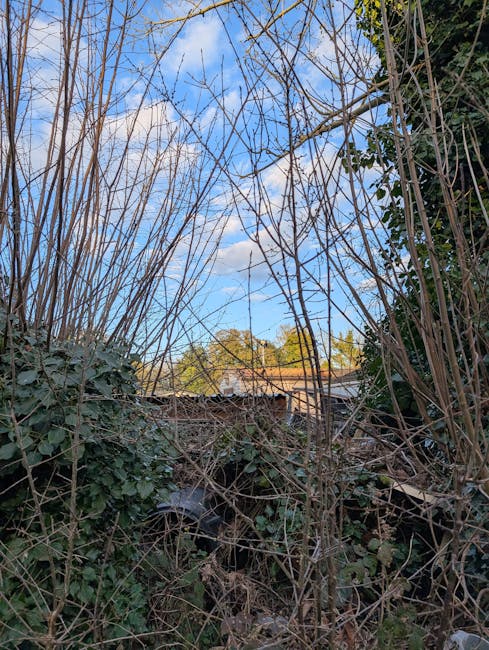
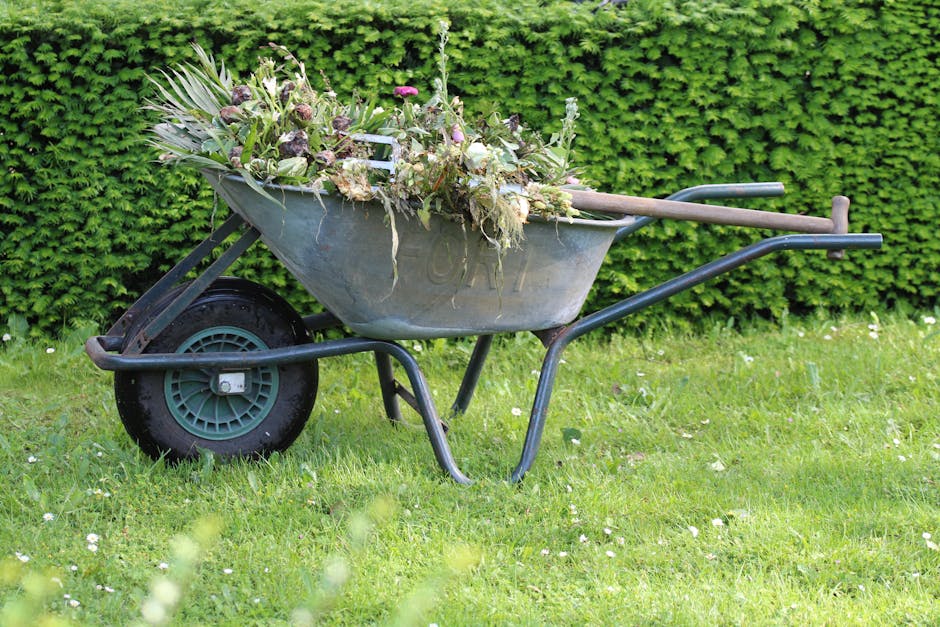
The "before and after" part matters because it makes the value visible. Overgrown borders, blocked paths, collapsed compost heaps, self-seeded saplings, and hidden waste can make a garden feel smaller, darker, and oddly stressful. Once cleared, the same garden can suddenly feel wider, calmer, and more usable. You can see the bones of it again. That alone is a relief.
For homes around Stephens House and the wider Finchley area, this kind of work often supports more than appearance. It can help with access, reduce trip hazards, improve drainage visibility, and make routine maintenance much easier. If you have ever tried mowing through waist-high growth in damp weather, you already know it is not exactly a peaceful afternoon.
There is also a planning benefit. A cleared garden gives you information. You can spot broken paving, damaged fences, poor soil, invasive plants, or areas that need reshaping before they become expensive problems. That is one reason the before and after comparison is so useful: it reveals what the garden actually needs, not just what it looked like from the back door.
For readers who want a broader view of what professional work may include, the services overview is a useful starting point, and the company background on about us can help you understand how the service is organised.
How Stephens House garden clearance Finchley gardeners before and after Works
A sensible clearance process starts with assessment, not with the first cut. The best gardeners look at what is growing, what needs removing, what should be kept, and how the work will be carried out safely. That sounds obvious, but you would be surprised how often people rush in with loppers and a strong cup of tea and only then realise they have cut the wrong thing back.
Typically, the work moves through a few stages:
- Initial survey: The garden is checked for overgrowth, hidden waste, access issues, unstable structures, and signs of unsafe materials.
- Clear plan: The team decides what is being removed, what will be retained, and whether special handling is needed for bulky waste or mixed green waste.
- Primary clearance: Brambles, weeds, overgrown shrubs, fallen branches, and accumulated debris are removed first to open up the space.
- Secondary tidy: Edges are defined, paths are made visible, and remaining growth is shaped so the garden looks intentional rather than stripped bare.
- Waste segregation and removal: Green waste, recyclable material, and general rubbish are separated where possible. Responsible disposal matters here.
- Before and after review: A final check makes sure the space is safe, neat, and ready for whatever comes next.
In practice, the before and after effect depends on the starting condition. A lightly neglected front garden might need little more than cutting back and clearing debris. A long-ignored back garden, on the other hand, may require a full day or more, especially if there are tangled roots, broken garden furniture, or wet, compacted waste. As with many jobs, the state of the site decides the pace.
When people ask what "good" looks like, the answer is usually simple: you should be able to walk through the space without fighting it, identify the boundaries again, and imagine the next phase clearly. That is the sign the work has done its job.
Key Benefits and Practical Advantages
The obvious benefit is a cleaner garden, but that is only the surface. A proper clearance delivers several practical advantages that show up immediately and keep paying off over time.
- Better access: Paths, doors, bins, sheds, and planting beds become easier to reach.
- Improved safety: Hidden trip hazards, slippery debris, and obstructed edges are reduced.
- More light: Cutting back dense growth can make a small garden feel much less cramped.
- Clearer design decisions: Once clutter is removed, it is easier to plan landscaping or planting.
- Lower ongoing maintenance: A reset garden is easier to keep under control week by week.
- Better kerb appeal: This matters if you are preparing to sell, rent, or simply want the home to feel better cared for.
There is a quieter benefit too. A neglected garden often carries a kind of background stress. You see it every time you open the curtain. After a clearance, that mental noise drops. It sounds a bit dramatic, maybe, but outdoor spaces do affect how a home feels. You notice it on a bright morning when the whole back of the house finally looks breathable again.
For customers comparing quotes or trying to judge value, the pricing and quotes page can help set expectations around how services are usually discussed and estimated. It is always better to ask how a job is scoped than to assume every clearance is the same. It really isn't.
Who This Is For and When It Makes Sense
This kind of garden work is not only for people with completely wild plots. It suits a surprisingly wide range of situations.
- Homeowners with overgrown borders: If the garden still functions, but only just.
- Landlords and letting agents: Especially between tenancies or after long periods of low maintenance.
- Older residents: When bending, lifting, or repetitive cutting is becoming difficult.
- Busy families: If the garden has drifted beyond weekend management.
- People preparing for landscaping: Clearance is often the essential first step before any new work.
- Anyone facing a seasonal reset: Spring growth, autumn leaf fall, and storm damage can all create a backlog quickly.
It also makes sense after a long winter or following a period when the garden has been off-limits. Perhaps a fence was damaged, a tree came down, or you simply could not keep up. No shame in that. Gardens have a habit of racing ahead when nobody is looking.
If you are deciding whether to tackle it yourself or bring in help, ask one question: do you want a tidy-up, or do you want a proper reset? If it is the latter, professional clearance is often the more realistic option because it saves time, reduces waste handling stress, and usually gets you to a better end state.
Step-by-Step Guidance
If you want a better result, it helps to understand the work from start to finish. Here is a practical way to think about it.
1. Walk the garden before anything is cut
Look for hidden items, structural damage, nesting areas, sharp waste, and anything that should not be disturbed without care. In Finchley gardens, it is common to find layers of old pots, broken canes, leaf build-up, and long-forgotten edging materials.
2. Decide what the end goal is
Do you want a full clearance, a controlled cut-back, or a clearance that preserves specimen plants? If you are not sure, say so. Good gardeners can usually help define the safest and most sensible option. There is no prize for pretending to know everything.
3. Remove the worst material first
Tall weeds, dead growth, fallen branches, and loose rubbish usually come out first. This opens the site and reduces the risk of damaging anything worth keeping.
4. Shape the space as you go
After the bulk has gone, the garden starts to reveal its structure. Borders can be redefined, fences made visible, and paths cleared so they read as proper routes again.
5. Separate reusable, recyclable, and waste material
Green waste can often be handled differently from mixed rubbish. If you are planning the job well, this stage helps reduce unnecessary disposal problems.
6. Finish with a real tidy, not just a pile of bags
That means checking corners, behind sheds, under shrubs, and along fence lines. The final details matter. Anyone can make the centre of a garden look better; the edges are where the honesty shows.
7. Review the before and after
Take a moment to compare the space with your original aim. Has access improved? Is the garden safer? Can you now maintain it more easily? If yes, the job has probably done what it should.
Expert Tips for Better Results
Here are the small things that often make a noticeable difference.
- Start with visibility, not aesthetics: Clear the access routes and hidden hazards first.
- Do not remove everything by default: Mature shrubs, climbers, and self-set plants can sometimes be shaped rather than destroyed.
- Work from the top down: In overgrown areas, it is usually easier to cut height before dealing with the base.
- Keep a rough plan for the next stage: A cleared garden should lead naturally into maintenance, planting, or landscaping.
- Ask how waste is handled: Responsible disposal matters, and you should feel comfortable asking about it.
- Leave a little breathing room: Over-cutting can make a garden look harsh, especially if it is small or shady.
A useful rule of thumb? If the garden looks bare but not better, something probably went too far. Good clearance reveals structure; it does not flatten the place into a blank patch. There is a difference.
For customers who care about responsible working practices, the page on recycling and sustainability is worth a look. It gives a sense of how greener disposal and reuse are approached in a professional setting.
Common Mistakes to Avoid
Most problems with garden clearance are avoidable. The issue is usually not effort. It is sequence.
- Cutting before checking: Hidden items, cables, pipes, and fragile structures can be damaged if the garden is not assessed first.
- Ignoring access routes: If you cannot move safely through the site, the work becomes slower and riskier.
- Overlooking waste volume: Green waste and mixed rubbish can take up far more room than expected.
- Removing useful structure: Some "mess" is actually the framework of the garden, like support stakes, stepping stones, or mature planting.
- Skipping the finish: A half-done clearance can look untidy in a different way, which is frustrating.
- Not planning the aftercare: A clear garden can quickly become overgrown again if you do not set a maintenance rhythm.
One of the most common mistakes, honestly, is thinking the job ends when the last branch is out. It does not. The aftercare is part of the result. Without it, the before and after effect fades faster than it should.
If you want to understand how service quality is handled, including what to do if something is not right, the complaints procedure is a sensible trust page to review. It shows there is a process, which matters more than people sometimes realise.
Tools, Resources and Recommendations
Not every job needs specialist equipment, but the right tools absolutely help. More importantly, they reduce fatigue and make the work cleaner.
| Task | Common tools | Why it helps |
|---|---|---|
| Cutting back dense growth | Secateurs, loppers, hedge trimmer | Lets you reduce volume in stages rather than forcing through thick material |
| Removing waste | Heavy-duty bags, barrow, tarpaulin | Makes collection faster and keeps the site tidier |
| Clearing debris | Rake, broom, leaf scoop | Useful for the final tidy and small hidden pockets of waste |
| Protecting yourself | Gloves, sturdy boots, eye protection | Important for sharp or unstable material |
| Revealing edges | Edging knife, hand fork | Helps define beds and paths after bulk clearance |
For a local customer, the real "resource" is often planning. A couple of practical decisions before the work starts can save hours later: where will waste be stacked, which plants are staying, and what should happen to the cleared space immediately afterwards?
If you are arranging a professional visit, the contact us page is the obvious next step, while the insurance and safety page can offer reassurance if you want to understand how safety is approached on-site.
Law, Compliance, Standards, or Best Practice
Garden clearance is not usually a highly regulated task in the way that some trades are, but that does not mean standards do not matter. In the UK, responsible garden work should still reflect good practice around safety, waste handling, and duty of care.
At a practical level, that means using appropriate protective equipment, working safely around hidden hazards, and handling waste responsibly rather than dumping it or mixing everything together. If materials are being removed from a site, it should be done in line with normal waste and disposal expectations, and in a way that avoids nuisance to neighbours.
Best practice also includes clear communication. Customers should know what is included, what will be removed, whether heavy or awkward waste is part of the quote, and how the team will manage access. If there are insurance or safety concerns, those should be discussed plainly, not hidden behind vague wording.
For anyone comparing providers, trust pages like health and safety policy, terms and conditions, and payment and security can tell you a lot about how seriously a company handles its work. It is not glamorous reading, admittedly. But it is useful.
There is also a broader ethical side. If a company is talking about responsible disposal, labour standards, or fair working practice, pages like modern slavery statement can help show that compliance is not just a slogan. That kind of transparency matters.
Options, Methods, or Comparison Table
People often compare a light tidy-up, a full clearance, and a partial cut-back without fully separating them. They are different jobs, with different outcomes. Here is a straightforward comparison.
| Approach | Best for | Result | Typical downside |
|---|---|---|---|
| Light tidy-up | Gardens that are mostly maintained | Improves appearance quickly | May not solve deeper overgrowth or hidden waste |
| Partial clearance | Areas with heavier growth but some structure intact | Restores access and shape | Needs careful judgement to avoid over-cutting |
| Full clearance | Severely neglected or heavily cluttered gardens | Creates a clear reset for future work | More time, waste handling, and labour involved |
In most Stephens House garden clearance Finchley gardeners before and after scenarios, the right choice depends on condition and goals, not just budget. A cheaper tidy-up can be false economy if you still cannot use the garden afterwards. That is a bit of a trap, really.
Case Study or Real-World Example
Here is a realistic example based on the kind of situation commonly seen in Finchley, without dressing it up as something extraordinary.
A homeowner in a residential street near Stephens House had a back garden that had slowly slipped out of control over two growing seasons. The access path was partly blocked, a couple of shrubs had sprawled into each other, and there was a build-up of old pots, broken sticks, and leaf litter in the back corner. Nothing dramatic on its own, but together it made the space feel smaller and harder to manage.
Before the work, the family avoided the garden unless they had to. After a full clearance, the path was visible again, the borders had shape, and the shed could actually be reached without squeezing sideways. They did not need a complete redesign. They just needed the garden to become readable again.
The most noticeable change was not even visual. It was the feeling of ease. Once the mess was gone, they could decide what to keep and what to change next, instead of being overwhelmed by everything at once. That is often how a proper before and after transformation works. First you get clarity, then you get choices.
Practical Checklist
Use this checklist before booking or starting any garden clearance work.
- Walk the garden and identify what must stay, what can go, and what needs special care.
- Check for broken fencing, unstable edging, hidden debris, or slippery areas.
- Decide whether you need a light tidy, partial clearance, or full reset.
- Ask how waste will be removed and whether green waste will be separated.
- Confirm access points for tools, bags, and larger waste items.
- Make sure pets, children, and neighbours are considered during the work.
- Set a follow-up plan so the garden does not drift straight back into neglect.
- Review service details, safety information, and terms before agreeing anything.
- Keep a few photos of the garden before the work begins for comparison.
- Think about the next step now, not later: mowing, planting, repair, or landscaping.
Helpful takeaway: The best garden clearances do not just remove clutter. They create a garden you can maintain, understand, and enjoy without feeling like you need a small expedition team to get to the back fence.
Conclusion
Stephens House garden clearance Finchley gardeners before and after is really about more than tidy borders or a pile of removed waste. It is about turning an awkward, overgrown, or cluttered outdoor space back into something useful and calm. When the work is done properly, the garden looks better, yes, but it also works better. You can move around it, maintain it, and plan the next stage without that heavy feeling of where do I even start?
If you are comparing options, focus on clarity, safety, waste handling, and the quality of the end result. Those are the things that matter once the branch cuttings are gone and the dust settles. And to be fair, that is usually when you realise the true value of the job.
Get a free quote today and see how much you can save.
For a little extra confidence before you decide, you may also want to review the company's recycling and sustainability information, alongside the practical details on pricing and quotes. Small things, but they help you choose with a clear head.
Frequently Asked Questions
What does Stephens House garden clearance Finchley gardeners before and after usually include?
It usually includes cutting back overgrowth, removing weeds, clearing debris, collecting waste, and leaving the garden tidy enough for maintenance or further landscaping. The exact scope depends on the site condition.
How long does a garden clearance take?
That depends on the size of the garden, the amount of overgrowth, access, and whether bulky waste is involved. A light tidy can be fairly quick, while a heavily neglected garden may take much longer. There is no honest one-size-fits-all answer.
Will the garden look bare afterwards?
It should look clear, not stripped. A good clearance preserves useful structure where possible and leaves the garden looking intentional. If everything has been removed with no thought to shape, that is usually a sign the work was too blunt.
Is garden clearance the same as garden maintenance?
No. Garden maintenance is ongoing care such as mowing, pruning, and weeding. Clearance is usually a bigger reset job for neglected or cluttered spaces. Maintenance follows clearance, ideally.
Can a clearance help before landscaping?
Yes, very much so. Clearing a garden first reveals what you are really working with and makes any landscaping project easier to plan and more accurate to cost.
What happens to all the waste?
Waste is normally gathered, separated where appropriate, and removed responsibly. Green waste may be handled differently from mixed rubbish. It is sensible to ask how this is done before the job begins.
Do I need to be at home during the clearance?
Sometimes yes, sometimes no. It depends on access, the nature of the work, and what needs to be agreed in person. Many customers prefer to be available at the start, even if they do not stay for the full visit.
How do I know if I need a full clearance or just a cut-back?
If paths are blocked, waste is built up, and the garden has lost its basic structure, a full clearance is usually more appropriate. If the garden is still manageable but just unruly, a cut-back may be enough.
Are there safety risks with overgrown gardens?
Yes. Hidden trip hazards, sharp objects, unstable branches, slippery surfaces, and poor visibility can all create risk. That is why a careful survey and safe working method matter.
What should I ask before booking?
Ask what is included, how waste will be removed, whether the team is insured, how access is handled, and what happens if extra issues are found on-site. Those questions save a lot of confusion later.
How often should a cleared garden be maintained afterwards?
It depends on plant growth and the season, but regular light maintenance is usually far easier than letting the space slip back again. A small routine now prevents a large job later. That part is painfully predictable, really.
Where can I learn more about the service and next steps?
You can review the services overview for a broader picture, then use contact us if you want to discuss your own garden and next steps.